
The Zeer pot, also known as an evaporative cooler, is a simple yet effective method to keep food and drinks cool without electricity. This ancient technique has been used for centuries and is particularly beneficial in hot, arid climates. In this blog, we will explore how to create a Zeer pot, the science behind its cooling method, and its potential applications for modern-day use.
What You Need to Create a Zeer Pot
To make a Zeer pot, you will need a few simple materials. These include:
- Two clay pots (one larger than the other)
- Sand
- Water
- A wet cloth or towel
- Some tape (to seal the holes in the pots)
The larger pot serves as the outer container, while the smaller pot fits inside it. The space between the two pots is filled with sand, which plays a crucial role in the cooling process.

Understanding the Cooling Mechanism
The Zeer pot works on the principle of evaporative cooling. When water evaporates, it absorbs heat from its surroundings, which results in a drop in temperature. In this case, the water in the sand evaporates, cooling down the inner pot and its contents. This method is efficient in low-humidity environments where evaporation can occur more readily.
The process can be broken down into a few simple steps:
- Fill the bottom of the larger pot with sand to create a level base.
- Place the smaller pot inside the larger one and fill the space between them with sand.
- Soak the sand with water, allowing it to reach saturation.
- Cover the top with a wet cloth or towel to maintain moisture.
As the water evaporates from the sand, the temperature inside the smaller pot drops, effectively creating a refrigerator-like environment.
Step-by-Step Guide to Building Your Zeer Pot
Now that you understand the basics, let’s walk through the process of creating your very own Zeer pot.
Step 1: Preparing the Pots
Start by selecting two clay pots. The larger pot should be about 2 inches wider in diameter than the smaller one. This allows for adequate space for the sand. Ensure that both pots have holes at the bottom for proper drainage.
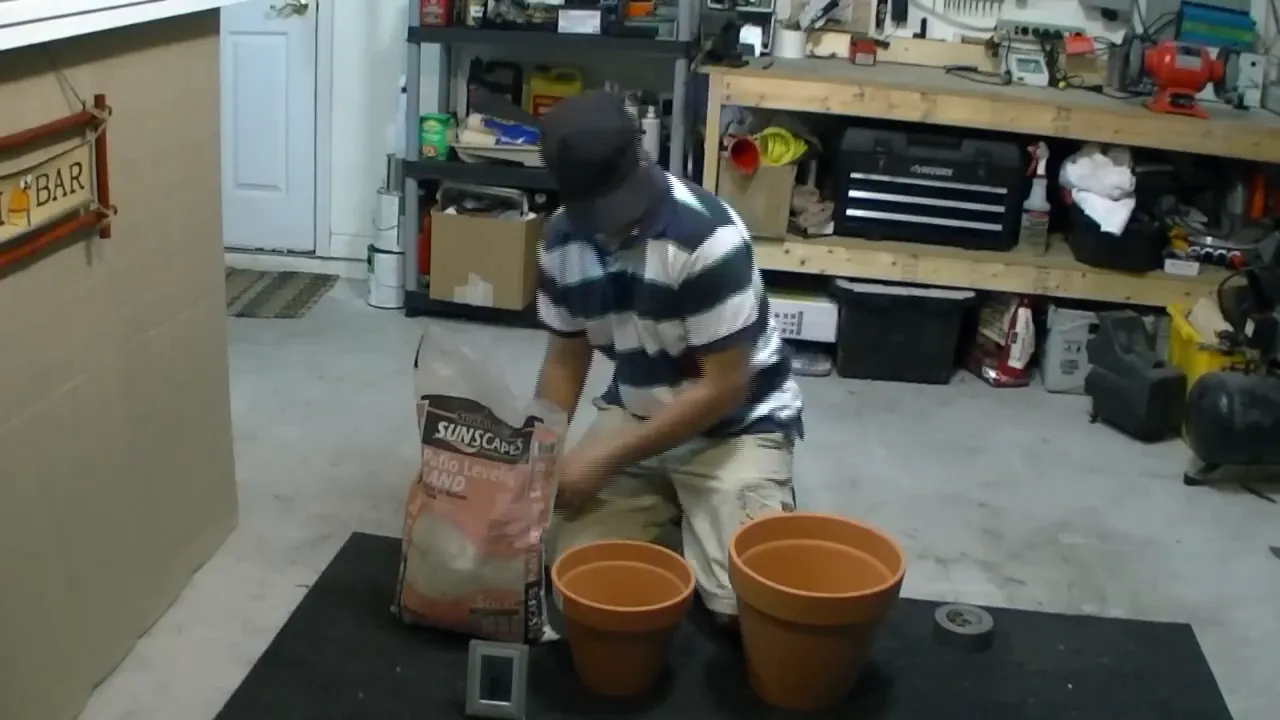
Step 2: Filling the Larger Pot with Sand
Pour enough sand into the bottom of the larger pot to create a level base. Pat the sand down to ensure stability.
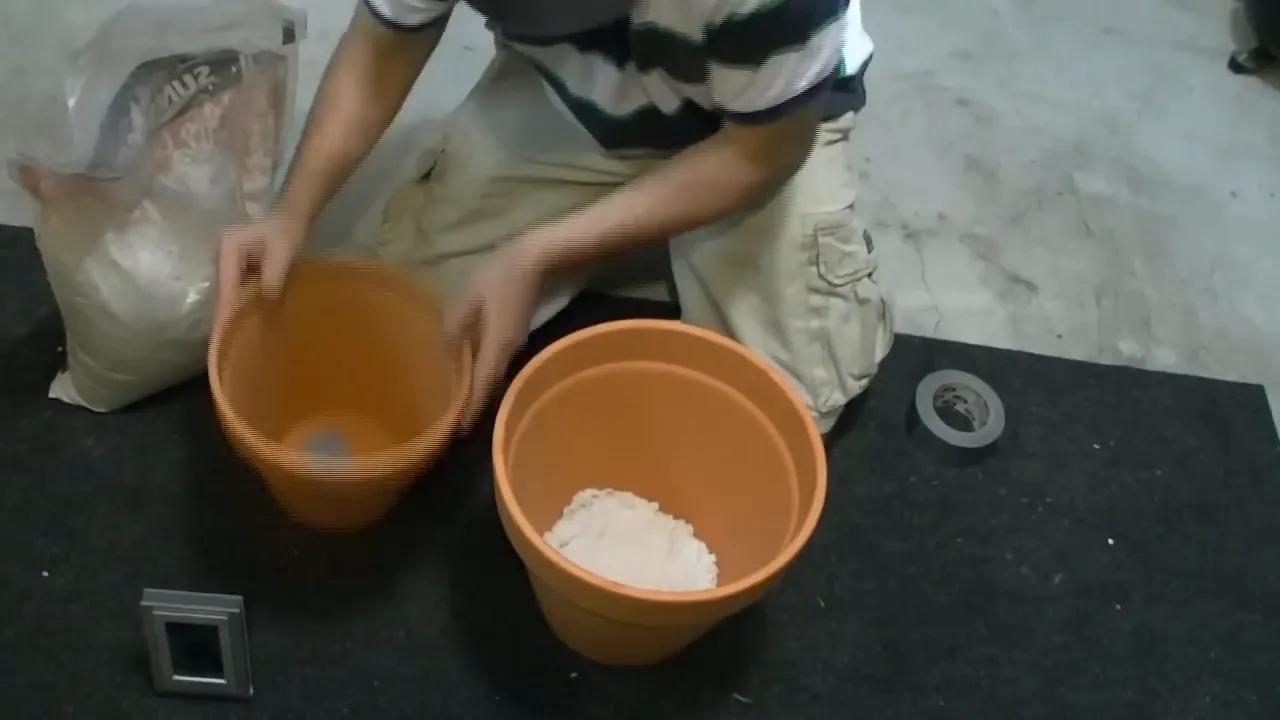
Step 3: Inserting the Smaller Pot
Place the smaller pot inside the larger pot, ensuring it fits snugly. The space between the two pots should be filled with sand, so continue to add sand around the smaller pot until it is fully supported.
Step 4: Adding Water
Next, pour water into the sand until it becomes saturated. Be careful not to overfill, as you want the sand to retain moisture without overflowing.

Step 5: Covering with a Wet Cloth
Finally, take a wet cloth or towel and drape it over the top of the smaller pot. This acts as a lid, helping to retain moisture and enhance the cooling effect.
Testing the Zeer Pot
Once your Zeer pot is assembled, it’s time to test its cooling capabilities. Place items you want to keep cool inside the smaller pot, such as beverages or fruits. Monitor the temperature inside the pot with a digital thermometer to track its effectiveness.
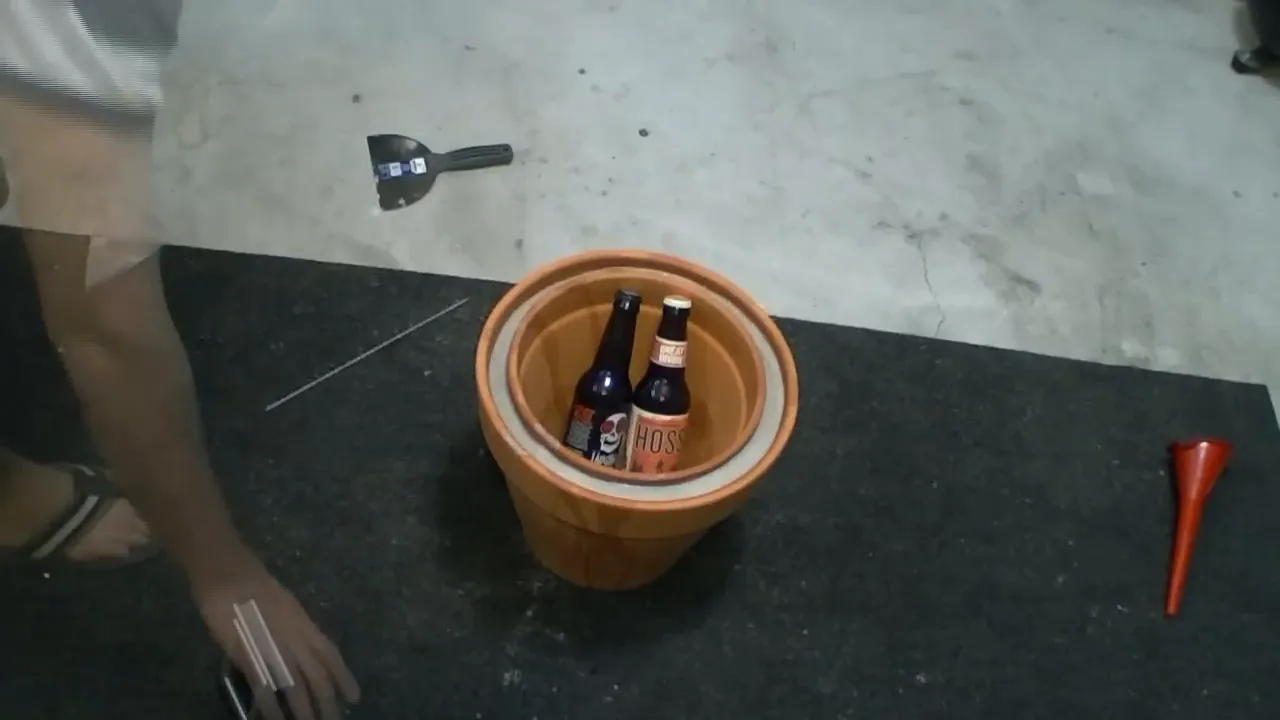
Temperature Observations
After setting up the Zeer pot, you may notice a gradual decrease in temperature. Initially, the temperature inside the pot may be close to the outside temperature, but as evaporation occurs, the temperature will drop significantly.
For example, after just a few hours, the temperature can drop from the outside temperature of 96°F to the mid-70s inside the pot, demonstrating the effectiveness of this ancient cooling method.

Benefits of Using a Zeer Pot
The Zeer pot offers several advantages:
- No Electricity Required: This method is especially useful in areas without reliable electricity or during power outages.
- Environmentally Friendly: Utilizing natural evaporation reduces energy consumption and promotes sustainability.
- Cost-Effective: The materials needed to create a Zeer pot are inexpensive and easily accessible.
- Simple to Construct: With minimal tools and skills, anyone can build a Zeer pot.
Potential Applications
The Zeer pot can be beneficial in various settings:
- Outdoor Activities: Perfect for camping, picnics, and outdoor events where refrigeration is not available.
- Food Preservation: In regions with limited access to electricity, the Zeer pot can help preserve perishable items.
- Emergency Preparedness: Having a Zeer pot on hand can be a lifesaver during power outages or natural disasters.
Conclusion
The Zeer pot is a remarkable example of how traditional methods can provide effective solutions for modern challenges. By harnessing the power of evaporation, this simple design can keep your food and drinks cool without relying on electricity. Whether you’re looking for an eco-friendly cooling solution or simply want to experiment with ancient techniques, the Zeer pot is a fantastic project to undertake.
So gather your materials and start building your own Zeer pot today. You might just be surprised at how well it works!
